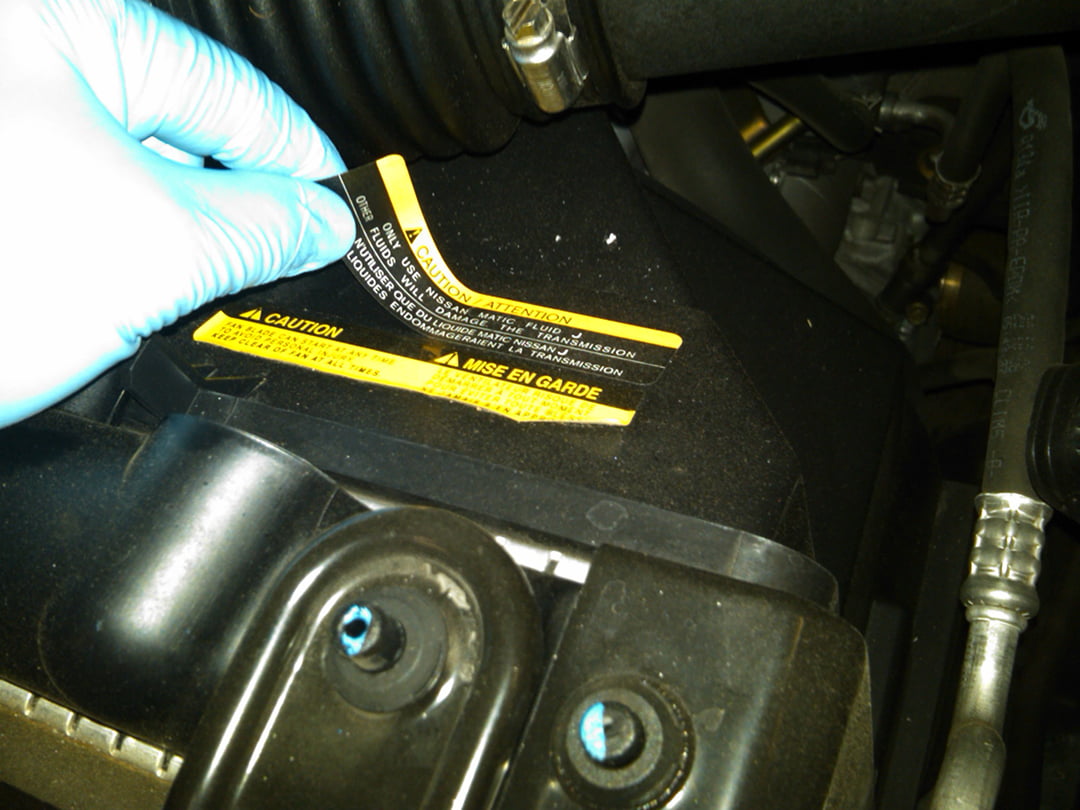
 Most people don’t usually associate labels with their cars and trucks, but in fact automotive labels are very common. Not only are they used to identify the manufacturers of particular parts, automotive labels are also used to indicate recalls and warranties for your auto’s make and model. Among the most common automotive labels are the ones affixed to the inner edge of your car’s driver side doorframe; these labels usually identify where and when your automobile was manufactured. Various types of custom printed auto labels are also used for tires, auto glass, body panels, engine labels, and more.
If you need to label automotive parts—for example, if your company manufactures the parts, sells the parts, or maintains a parts store for fleet purposes—you’ll find that automotive labels are also ideal for inventory control and for identifying part specifications. In most cases, automotive labels are imaged with barcodes or lot numbers, but you can also include drawings for final assembly, parts specifications, and other useful information.
It’s vital that many automotive labels should last as long as your automobile— ten or twenty years, at least. Automobiles tend to present an extremely harsh environment to the average label, so automotive labels should be made of a durable synthetic material. Not only do they have to resist high heat, vibration, and other physical stressors, they also have to deal with chemical ones like gasoline, oil, brake fluid, and transmission fluid, all of which can corrode some materials or render adhesives suddenly unsticky. The best automotive labels are not only resistant to all these factors, but they also conform to professional standards outlined by the Automotive Industry Action Group (AIAG) and GM-1724 regulations.